
Kate Grenville
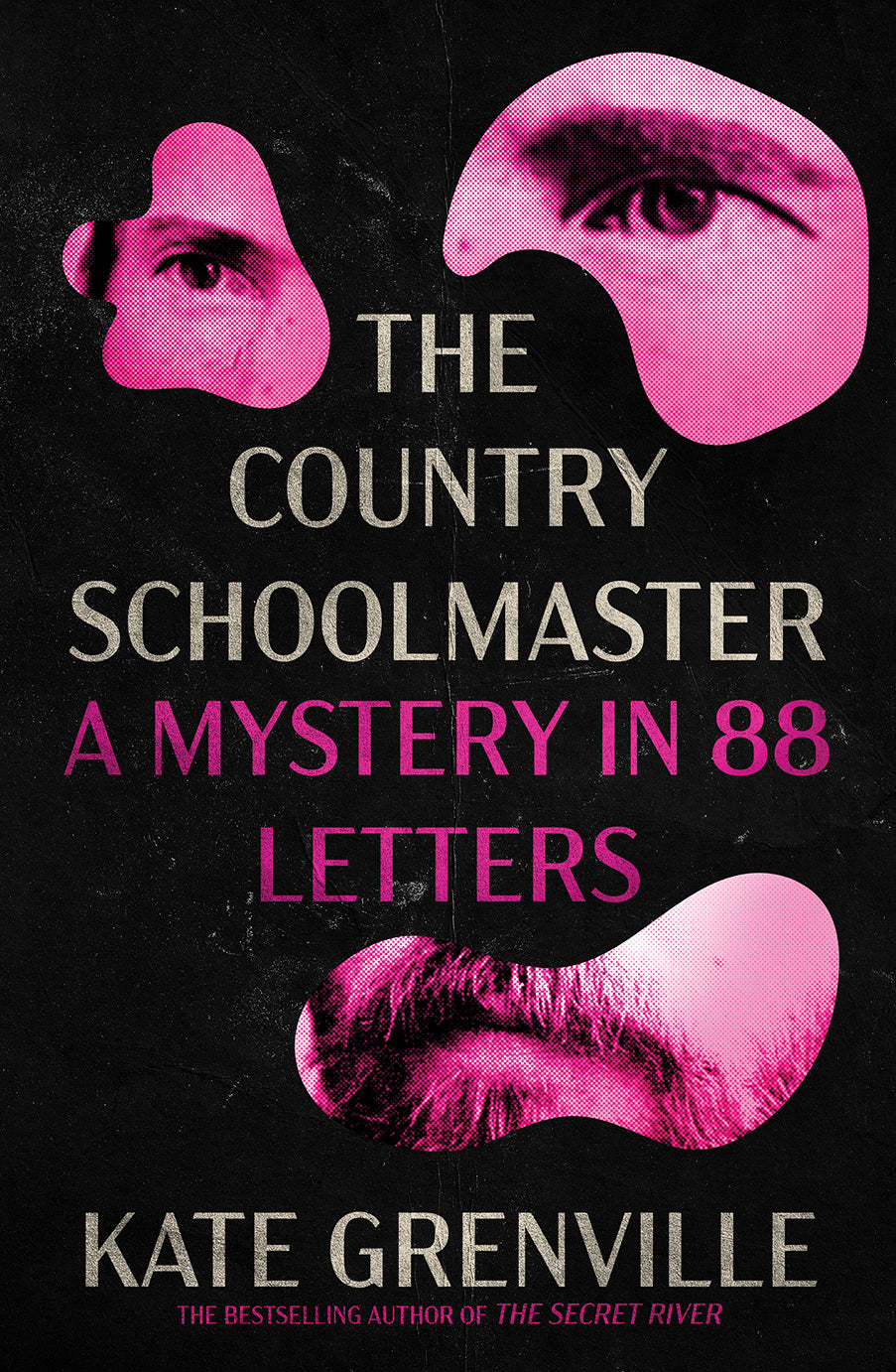
The Country Schoolmaster: A Mystery in 88 Letters
The Country Schoolmaster: A Mystery in 88 Letters
Couldn't load pickup availability
Peta's Review
Kate Grenville is one of Australia’s best-known and much-admired authors. Although she began writing at the age 16, Grenville’s first publication came only 12 years later, with the publication of a short story in the University of Sydney’s literary magazine. She has been writing and publishing since. Her debut novel Lilian’s Story won the 1984 Vogel Prize for an unpublished manuscript, and she continued to gain success with Joan Makes History (1988) and Dark Places (1994). The Idea of Perfection (1999), perhaps my favourite, won the Orange Prize. Her novel The Secret River (2005) won the Commonwealth Writers’ Prize and was shortlisted for the Man Booker in the same year. It has since been adapted for both stage and television and translated into over twenty languages. In 2017 Grenville received the Australia Council Award for Lifetime Achievement in Literature, and was made an Officer of the Order of Australia in 2018. In total, Grenville has published over 20 books, and I have read them all!
The Country Schoolmaster: A Mystery in 88 Letters, published in September this year, is a curious mix of archival research and creative non-fiction. It focuses on Joseph Connor, the headmaster of a small rural school in Currabubula in the 1880s. Grenville stumbled across Connor while doing research for the biography of her mother Nance Grenville Gee, One Life: My Mother’s Story (2015). Because Nance had spent time as a child in Currabubula, Grenville wondered if there were any references to her in the local school archives. She discovered a total of 88 letters, several official reports and transcripts from the Department of Public Instruction relating to a number of hearings concerning allegations of Connor’s cruelty to students. Grenville took some notes, then closed the files. However, as she explains in her Introduction, she frequently thought about those letters and so “ten years and several books later, [she] found that [she] was still thinking about Currabubula and the schoolmaster.”
Her aim was to follow the story as it unfolded in the correspondence, giving attention to every piece of evidence without prejudice and just seeing where she ended up. After reading each document, Grenville blends the facts with her imaginative reconstruction of what might have happened. Throughout the process, her loyalty to Connor waxes and wanes. Was he a bully to not only his students but also to his family, or was he in fact the victim of a nascent educational bureaucracy and community vendetta? Just when she believes she has arrived at the nub of the events, the very next letter or transcript disrupts her sense of certainty. Grenville astutely points out that what must be kept front of mind in any of her decision-making is the distance of the events in both place – a remote rural time - and time - only a few years after compulsory public schooling was made law in Australia. I was fascinated not only by the events being narrated but also by Grenville’s forensic examination of each ‘fact’ as it is presented. Grenville is ultimately revealing the constructed nature of narratives: how we (mis)interpret historical facts and how easy it is for wrong conclusions to be reached. I also really liked the way Grenville hones in on specific words used by the various participants, especially the use of the word ‘compelled’ used by Connor’s daughter in a letter to the Education Department about her living conditions. We all want answers, but Grenville adroitly demonstrates that sometimes there just aren’t any, or at least none that can be reached with total certainty. Anyone who loves reading history, reading critically or solving puzzles will find The Country Schoolmaster a satisfying read.